London gets the headlines, but most people in Britain see their musicals on tour. Every week of the year, dozens of productions are loading in and out of theatres from Aberdeen to Plymouth, and for many shows the road is not a consolation prize but the whole business.
Why the road matters
A West End run needs a theatre free for months or years, a huge marketing budget and a title that can sell eight shows a week to Londoners and tourists. A tour needs something different: a show that people in Swansea, Sunderland and Stoke will book for one evening in their own town. Some titles do both, like Blood Brothers, which ran in the West End for around twenty-four years while touring almost constantly, or Mamma Mia!, which has sent productions round the country alongside its long London run. Others, including Hot Flush!, were designed for the regions from day one and never needed London at all.
Number one, two and three venues
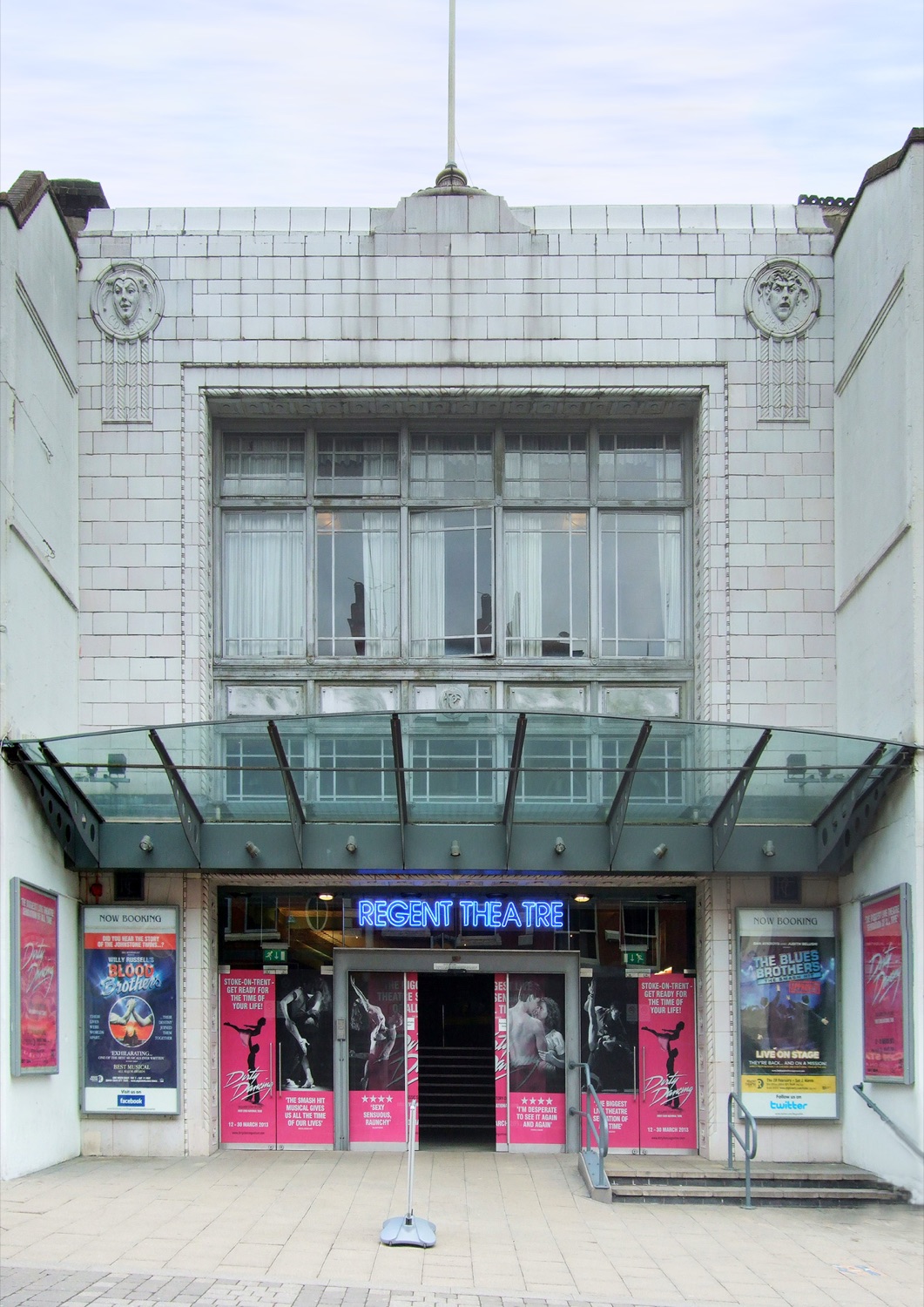
The industry still talks about touring houses by rank. "Number one" venues are the big city theatres, often with well over a thousand seats and the stage and fly tower to take large sets: the Bristol Hippodrome, the Theatre Royal in Newcastle, the Regent in Stoke, the Sunderland Empire. Number two and three venues are smaller civic theatres, arts centres and resort pavilions. A big musical may only fit the first group, while a compact comedy musical can play all three, which is why the 2014 Hot Flush! tour could mix the Bristol Hippodrome with the Castle in Wellingborough and Harrow Arts Centre in the same month. Our tour history shows the full route.
Many of the big houses are run by a handful of operators. In 2014, for example, the production's own booking links sent audiences for Bristol, Milton Keynes, Southport, Stoke and Sunderland to the same ticketing company, Ambassador Theatre Group, which runs a large share of the country's major touring theatres.
What tours well
- Familiar titles. Film adaptations, jukebox shows and revivals sell to people who know what they are getting.
- Star casting. A face from a long-running sitcom or soap can fill a midweek night in a way a title alone cannot. See our Hot Flush! cast history for a textbook example.
- Group appeal. Shows that friends, hen parties and coach trips book together are the backbone of regional box offices; we explore that audience in girls'-night-out theatre.
- A set that travels. The fewer lorries and the faster the get-in, the more towns a show can play.
A numbers game, played like the bookies
Touring is, at heart, an exercise in managing odds. A producer commits to rehearsal costs, sets, costumes and a company's wages before a single ticket is sold, then spreads that risk across dozens of venues, knowing that some weeks will lose money and others will carry the tour. The deal with each theatre decides who carries how much of the risk: a guaranteed fee protects the producer, a box office split rewards a hit, and most deals blend the two. It is the same logic a bookmaker uses when balancing a book, and the same reason casinos love shows. A casino theatre makes its money on the gaming floor, so it can afford to treat the show as a loss leader in a way no regional theatre can. We compare the two models in our explainer on how a touring production works.
The Hippodrome connection
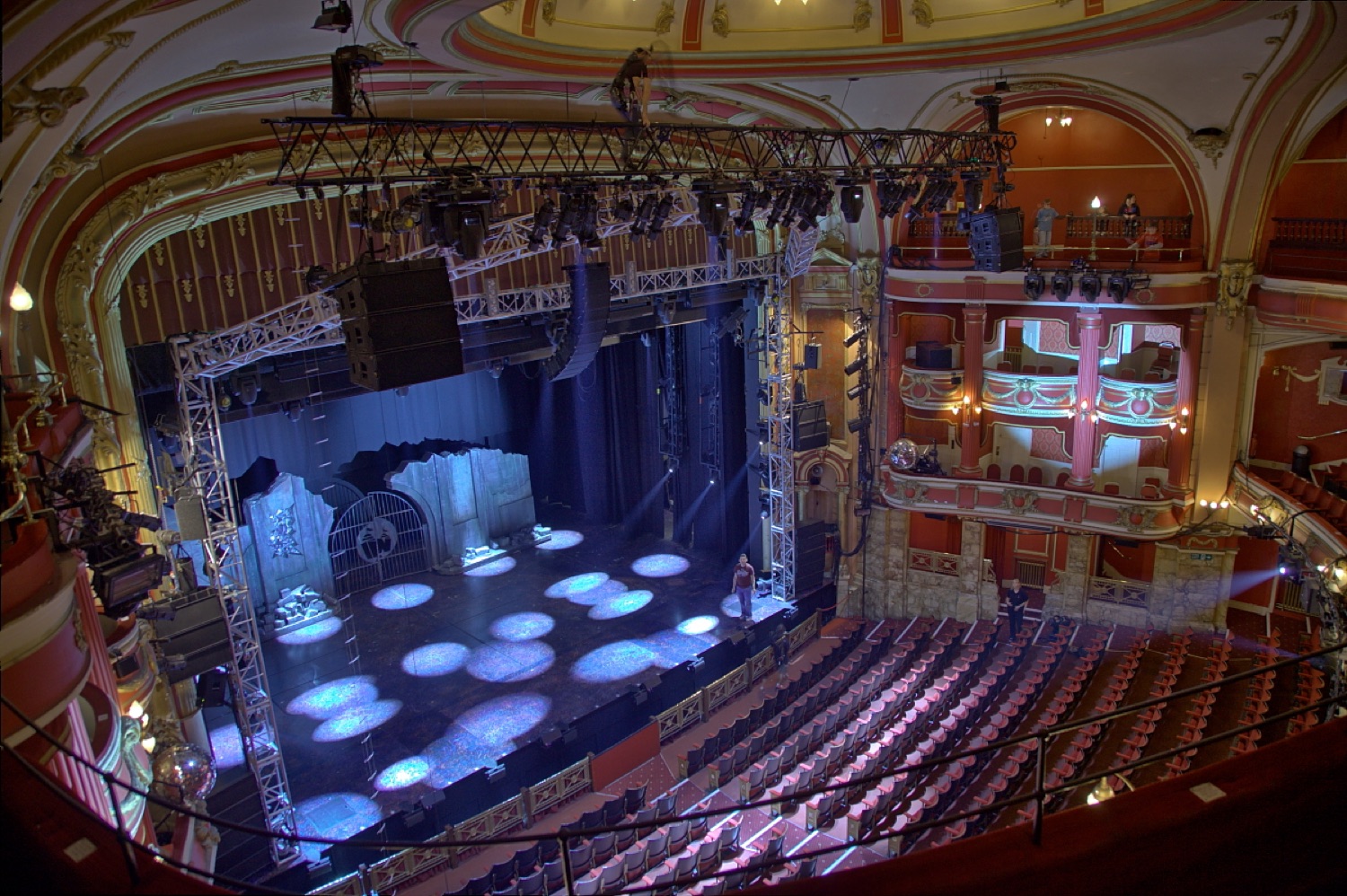
The Bristol Hippodrome, pictured above, is one of several British theatres to carry the name, a fashion of the Edwardian era when "hippodromes" offered circus, spectacle and variety. Its architect, Frank Matcham, had designed London's Hippodrome for circus and variety in 1900. The Bristol house is still one of the busiest touring theatres in the country; the London one became a cabaret restaurant, a nightclub and, since 2012, the Hippodrome Casino, where a theatre still sits alongside the roulette wheels and card tables. Its story is told in our feature on the Hippodrome Casino and cabaret in UK casinos.