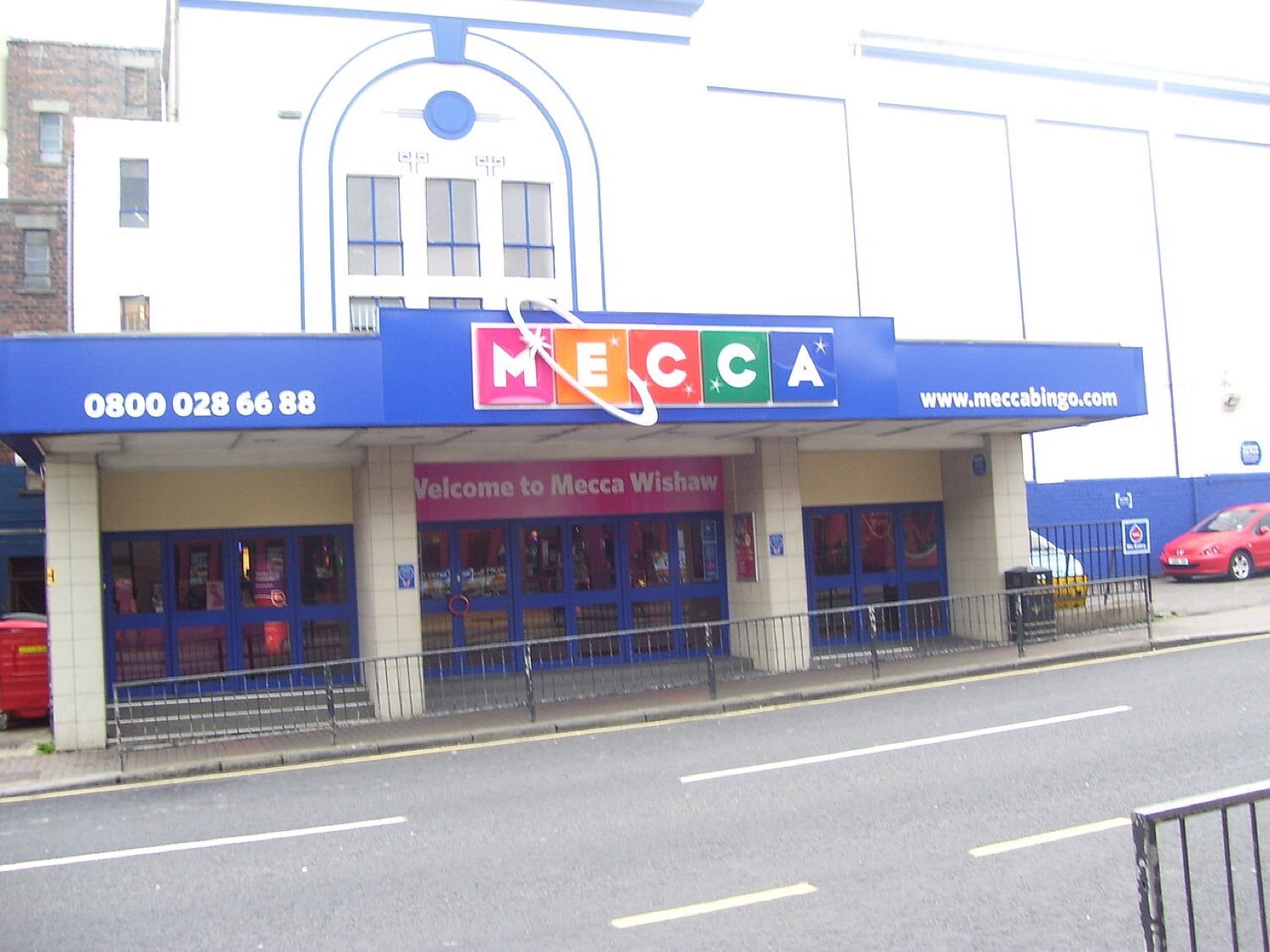
Before the jukebox musical and the hen weekend, Britain's biggest regular night out for women was bingo. For half a century the bingo club was where friends, sisters, mothers and neighbours went together, dressed up a little, laughed a lot and, every so often, shrieked at a full house. It is the same audience that has always filled the stalls for shows like Hot Flush!
1961: eyes down for the bingo boom
Versions of the game, known as housey-housey or tombola, had been played for generations in the forces, at fairs and in church halls. What changed everything was the Betting and Gaming Act 1960, which took effect on 1 January 1961 and opened the door to commercial bingo with real cash prizes. Entrepreneurs moved fast.
The best known was Eric Morley of Mecca, later the founder of Miss World, whom the press nicknamed "Mr Bingo". Mecca owned a large chain of dance halls, and Morley introduced bingo into dozens of them, including London's Lyceum Ballroom, to fill the nights when dancing alone could not. The other giant was Rank, whose cinema management company began turning its emptying picture houses into Top Rank bingo clubs. The Odeon on Hackney Road in east London showed its last film in May 1961 and became the first Odeon converted to bingo; Rank even ran bingo at its biggest cinema, the Blackpool Odeon. Independent cinema circuits followed suit across the country.
A night out built around women
Bingo's audience was overwhelmingly female and largely working class, and the clubs were among the first commercial leisure venues designed with women in mind: safe, warm, sociable and affordable, with a bar, a café and a bus stop outside. By the mid-1960s estimates of the number of players ran into the millions. The rituals became part of British popular culture, from the caller's rhymes, "legs eleven", "two fat ladies, eighty-eight", to the dabber and the interval dash for a cup of tea.
Bingo in Britain: key dates
- 1961
- Betting and Gaming Act 1960 takes effect; commercial bingo with cash prizes begins
- 1960s
- Mecca dance halls and Rank cinemas become bingo clubs
- 1968
- The Gaming Act brings bingo clubs under licensing and regulation
- 1991
- Bass launches the Gala brand, a blend of Granada and Coral
- 2005
- Bingo club numbers peak at close to 600
- 2015–2018
- Gala's clubs are sold to Caledonia Investments and rebranded Buzz Bingo
Mecca, Gala and Buzz
Mecca Bingo, which grew out of the old Top Rank operation, is today part of the Rank Group. Gala was created in 1991 when Bass combined its own bingo clubs with Granada's chain; the name itself was a blend of Granada and Coral. It later merged with the bookmaker Coral as Gala Coral, and as that group prepared to merge with Ladbrokes its bingo clubs were sold to Caledonia Investments in 2015; from 2018 they traded as Buzz Bingo, while the Gala name lived on online.
The number of clubs fell sharply after 2005, from close to 600 to under 400 within a decade, as the smoking ban, tax changes and online play took their toll. The survivors reinvented themselves with better food, live entertainment and, in many towns, the kind of themed nights that sit comfortably alongside a trip to the theatre.
From cinema to bingo to theatre
Bingo also saved buildings. Many of the most ornate cinemas of the 1930s survived only because they became bingo clubs: the Gaumont State in Kilburn, one of the largest cinemas ever built in Britain, spent years as a Mecca club. A few converted cinemas later came full circle and reopened as theatres; we trace those buildings in our guide to regional theatres on the UK touring circuit.
Bingo, a show and the modern girls' night out
Bingo never really left the night out; it changed costume. Comedy bingo, drag-hosted bingo and rave-style events have turned the game into a party, often booked by exactly the same groups of friends who book a comedy musical. The logic is identical: a shared, slightly silly experience with a chance of winning something, enjoyed together. If you are planning a celebration, our ideas for combining a show with a casino night include a bingo option, and our feature on girls'-night-out theatre looks at the stage side of the same tradition.