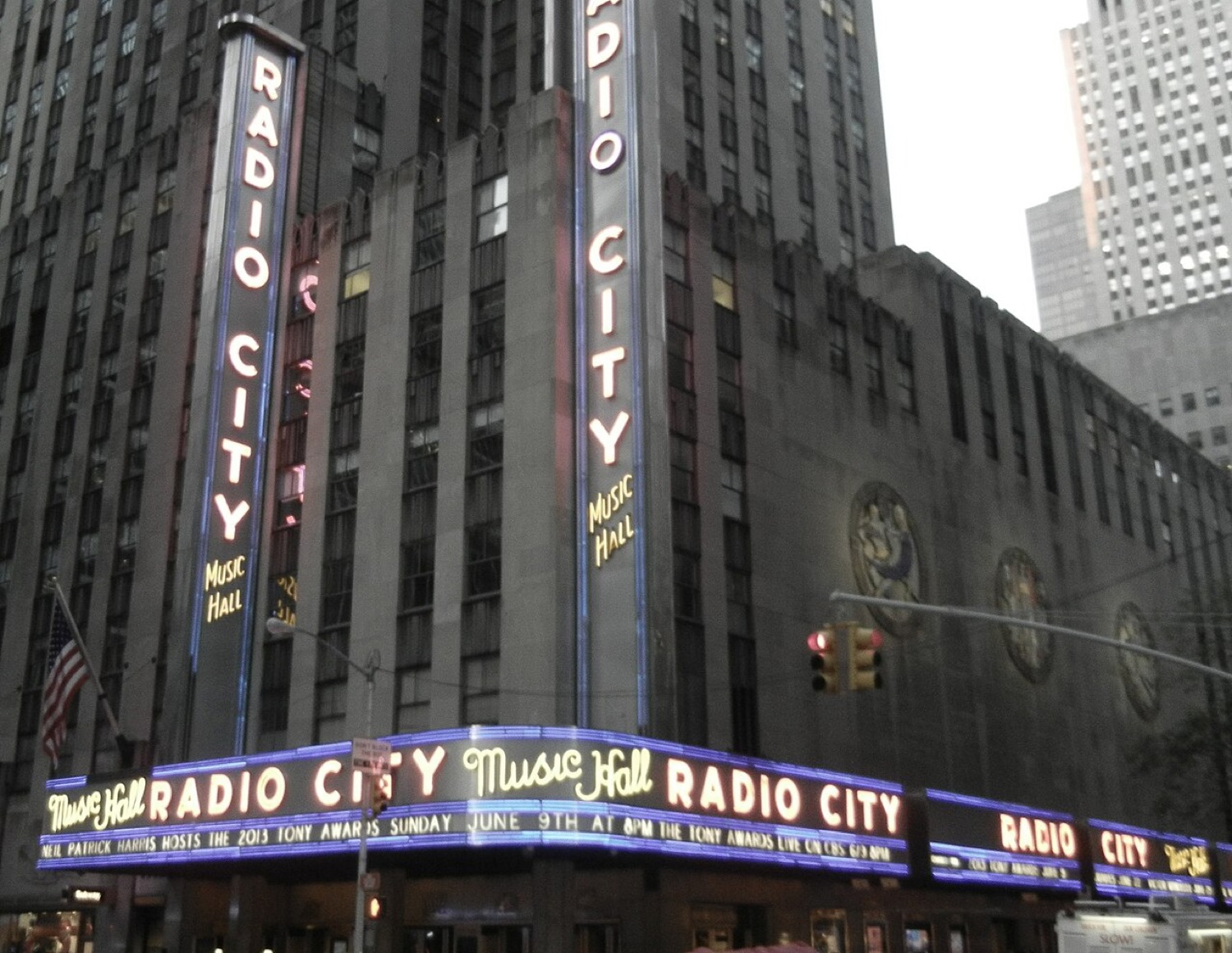
Every spring, theatre fans play a game of prediction. Who will win Best Musical at the Oliviers in London and the Tonys in New York? Film awards have been a fixture of bookmakers' novelty markets for years; theatre awards are a much smaller and more occasional sideline. But the way to think about them is the same, and it is a good lesson in how odds work.
How the Oliviers are decided
The Laurence Olivier Awards are run by the Society of London Theatre. Shortlists and winners are decided by panels that include theatre professionals and members of the public who have seen the eligible productions, combined with votes from the Society's members. Only shows that have played in qualifying London theatres are eligible, which is why touring productions such as Hot Flush!, however popular, never figure. The ceremony takes place in the spring, most recently in large venues such as the Royal Albert Hall.
How the Tonys are decided
The Tony Awards cover Broadway productions. Nominations come from a committee, and the winners are chosen by several hundred voters drawn from across the industry: producers, theatre owners, members of professional bodies and others. Because so many voters are also investors or touring presenters, commercial considerations are often thought to play a part, particularly in the Best Musical category, where a win can extend a Broadway run and boost a show's future touring business.
The form guide: precursor awards
Just as racing fans study a horse's previous runs, awards watchers look at earlier prizes:
- London: the Evening Standard Theatre Awards, the Critics' Circle Theatre Awards and the WhatsOnStage Awards, which are voted for by the public.
- New York: the Drama Desk Awards, the Outer Critics Circle Awards and the Drama League Awards, all announced in the weeks before the Tonys.
- Reviews and box office: strong notices help, but so does a show that voters have actually seen and enjoyed.
What odds actually mean
When a bookmaker does price up an awards market, the odds are a statement of probability with a margin built in. Fractional odds convert to an implied chance with a simple formula: divide the right-hand number by the sum of both numbers. So 1/2 implies around 67 per cent, evens 50 per cent and 4/1 20 per cent.
| Odds | Implied probability | What it suggests |
|---|---|---|
| 1/4 | 80% | A heavy favourite: one result is widely expected |
| 1/2 | 67% | Clear favourite |
| Evens | 50% | A two-horse race |
| 3/1 | 25% | A genuine contender |
| 10/1 | 9% | An outsider who needs a surprise |
Add up the implied probabilities across a whole market and you will usually get more than 100 per cent. The excess is the bookmaker's margin, the "overround", and it is the betting shop's equivalent of the house edge in a casino. In thin, specialist markets such as theatre awards the margin tends to be wider, because the bookmaker knows less and wants more protection.
Why theatre awards are hard to call
Awards voting has features that make it unlike a sporting contest. Voters may not have seen every nominee, sentiment and politics play a part, and a single strong campaign can shift opinion late. On the other hand, the Best Musical race in a given year is often much less open than it looks, because one show dominates the precursor awards. Informed fans who follow every announcement can sometimes read the race better than a generalist odds compiler, which is exactly why the bookmakers keep these markets small.
The same logic, incidentally, sits behind a lot of theatre producing. Booking a tour is a string of educated bets on which titles and which star names will sell; we look at how those bets are structured in how a touring production works.
Watching with friends
For most people awards night is a social event, not a wager: a sweepstake at work, a ballot in the group chat, or a night in with prosecco and a scorecard. If your group prefers to make an evening of it out of the house, our show-and-casino night ideas work just as well for an awards-season celebration.